








Services

Supporting sustainable development with expert guidance.

Biodiversity Net Gain (BNG) reports and Biodiversity Gain Plans (BGP)

Biodiversity Net Gain is now a core requirement for most developments, requiring measurable improvements to biodiversity alongside delivery. MAB Ecology provides clear, end-to-end support to help you meet these obligations efficiently and with confidence.

We prepare Biodiversity Net Gain (BNG) reports and Biodiversity Gain Plans (BGP) that are fully aligned with the latest legislation, DEFRA metric requirements and local planning policy. Our work is focused on achieving compliant, deliverable outcomes without unnecessary complexity or delay.

From baseline habitat assessments and metric calculations through to identifying on-site enhancements or off-site solutions, we ensure that biodiversity requirements are addressed early and integrated seamlessly into your project. Where needed, we liaise with planning authorities and design teams to refine proposals and secure approval.

Our priority is simple: to provide pragmatic, commercially aware advice that meets BNG requirements while keeping your project moving.
Bat roost scoping assessments and bat surveying

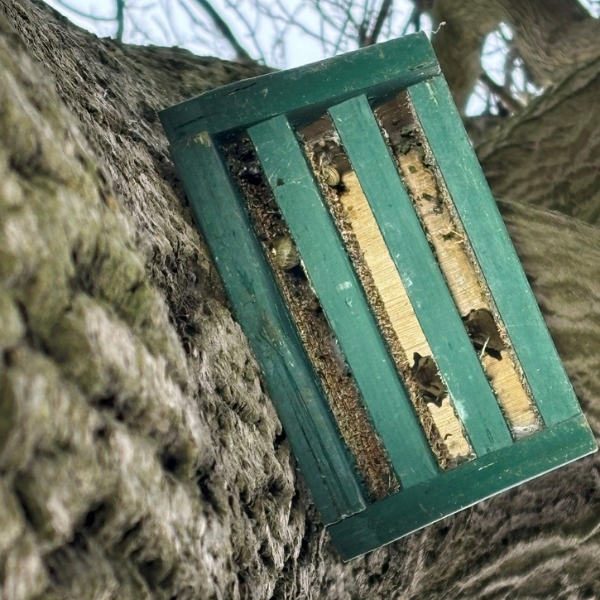
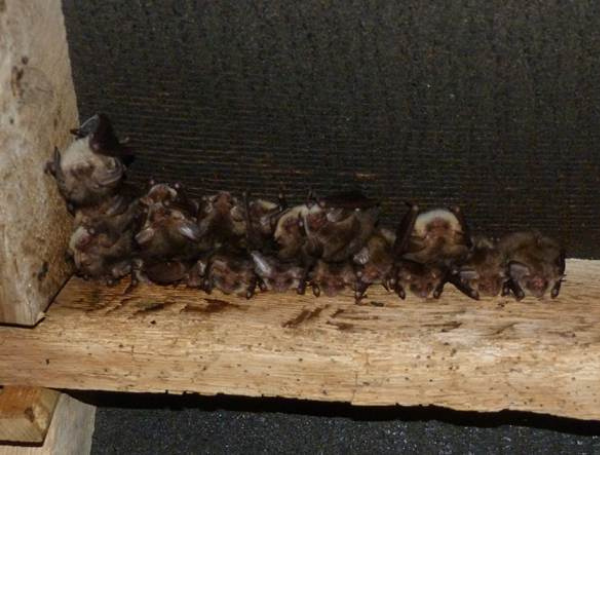
Bats are a legally protected species, and their presence can have a significant impact on development proposals. MAB Ecology provides thorough bat roost scoping assessments and surveys to identify potential constraints early and guide your project through the planning process with clarity.

Our work begins with detailed preliminary roost assessments to evaluate the suitability of buildings, structures and trees for bats. Where further investigation is required, we design and deliver targeted bat surveys in line with current guidance and seasonal requirements, ensuring that results are robust and defensible.

We focus on providing clear recommendations, whether that involves confirming absence, identifying roosts, or outlining appropriate mitigation and licensing strategies. By integrating our findings into the wider project team, we help minimise delays, manage risk and keep development programmes on track.

MAB Ecology combines technical expertise with a practical understanding of planning, delivering bat survey work that is reliable, efficient and proportionate to your project.

Ecological Impact Assessment (EcIA) surveying and reports

An Ecological Impact Assessment (EcIA) is a key component in supporting planning applications where ecological considerations are likely to influence development. MAB Ecology delivers comprehensive EcIA surveys and reports that clearly identify potential impacts and provide practical, policy-compliant solutions.

We undertake detailed site assessments to establish baseline ecological conditions, evaluate the significance of potential effects, and assess how proposals may affect habitats and protected species. Our EcIA reports are prepared in accordance with CIEEM guidance, ensuring they are robust, transparent and suitable for submission.

Our approach is focused on clarity and deliverability. We work closely with design teams to embed mitigation, compensation and enhancement measures into the scheme from an early stage, helping to reduce risk and avoid delays during planning.

By combining technical rigour with a pragmatic understanding of development, MAB Ecology provides EcIA services that support informed decision-making and smooth progression through the planning process.

Preliminary Ecological Assessment (PEA) surveying and reports

A Preliminary Ecological Appraisal (PEA) is typically the first step in understanding the ecological constraints and opportunities associated with a site. MAB Ecology provides clear, reliable PEA surveys and reports to support early-stage planning and inform project design.

Our PEAs combine a desk study review with a comprehensive site walkover to identify habitats, assess the potential for protected species, and highlight any ecological considerations that may affect development. The findings are presented in a concise, policy-aligned report that outlines risks, constraints and any requirements for further surveys or mitigation.

We focus on giving you a practical, upfront understanding of what is needed, helping to avoid unexpected delays later in the process. By identifying ecological issues early, we enable design teams to respond proactively and keep projects progressing smoothly.

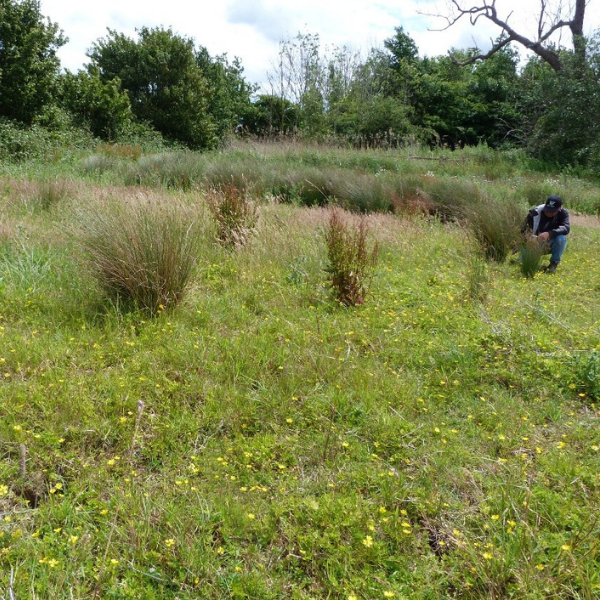
Botanical vegetation/habitat (UKHabs) surveys

Understanding the habitats present on a site is fundamental to any ecological assessment. MAB Ecology provides detailed botanical and UKHab surveys to accurately classify habitats and inform planning, design and biodiversity requirements.

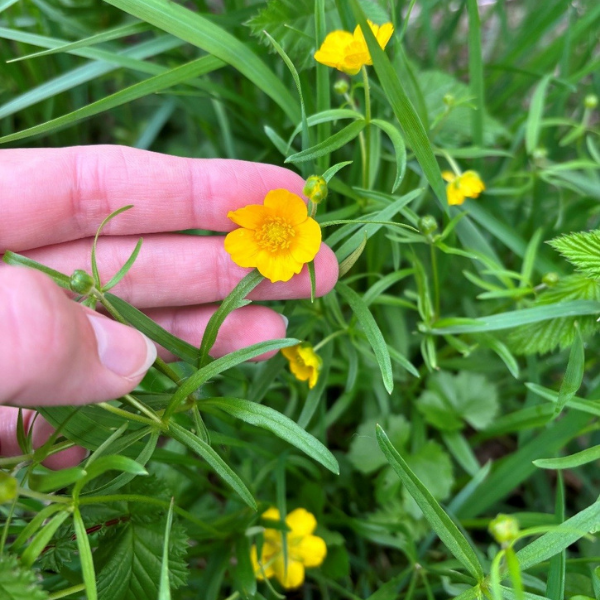
Our surveys are undertaken in accordance with the UK Habitat Classification (UKHab) system, ensuring consistency with current best practice and compatibility with Biodiversity Net Gain assessments. We identify and map habitats, assess their condition, and record notable plant species to provide a robust ecological baseline.

The resulting data supports a wide range of requirements, including PEAs, EcIAs and BNG calculations. Our reports are clear, structured and designed to integrate seamlessly into the planning process.

With a focus on accuracy and practical application, MAB Ecology delivers habitat surveys that provide the reliable foundation needed to progress your project with confidence.

Habitat Management and Monitoring Plan (HMMP) reports

A Habitat Management and Monitoring Plan (HMMP) is essential for ensuring that biodiversity enhancements are delivered effectively and maintained over the long term. MAB Ecology prepares clear, practical HMMP reports that set out how habitats will be created, managed and monitored to achieve the required outcomes.

Our HMMPs are tailored to the specific needs of each site and development, providing detailed prescriptions for habitat establishment, ongoing management and performance monitoring. We ensure that all measures are realistic, measurable and aligned with planning conditions, Biodiversity Net Gain requirements and best practice guidance.

We work closely with clients, contractors and land managers to ensure that plans are not only compliant but deliverable on the ground. By setting clear objectives and monitoring frameworks, we help demonstrate that biodiversity commitments are being met and maintained.

MAB Ecology provides HMMPs that are robust, straightforward to implement and designed to stand up to scrutiny throughout the lifecycle of your project.

Biodiversity Enhancement Management Plans (BEMP)

Biodiversity Enhancement Management Plans (BEMP) set out how ecological enhancements will be delivered, managed and sustained as part of a development. MAB Ecology prepares clear, structured BEMPs that demonstrate how biodiversity gains will be achieved in line with planning policy and project objectives.

Our BEMPs define realistic enhancement measures tailored to the site, alongside practical management prescriptions to ensure their successful establishment and long-term value. We focus on creating plans that are not only policy-compliant but also workable in practice, with clear responsibilities, timelines and measurable outcomes.

Where required, we coordinate closely with design teams, contractors and stakeholders to ensure that enhancement measures are integrated into the development and implemented effectively on site.

MAB Ecology delivers BEMPs that provide confidence to planning authorities while giving clients a straightforward, deliverable framework for enhancing biodiversity.

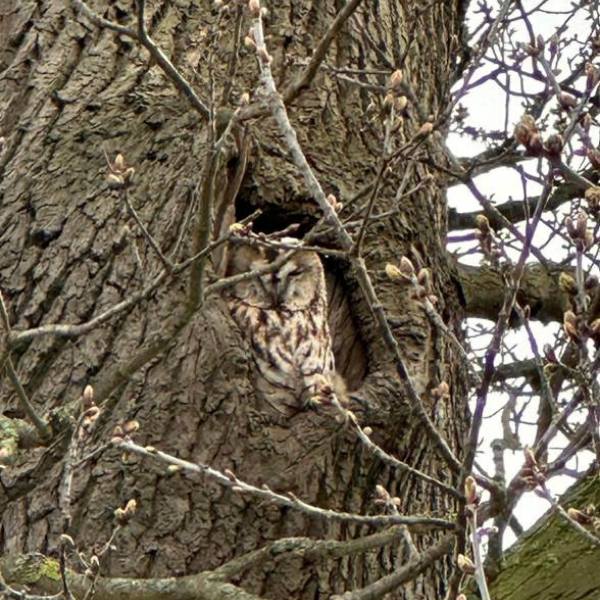
Surveying for protected species such as badgers, barn owls, great-crested newts, otters and water voles

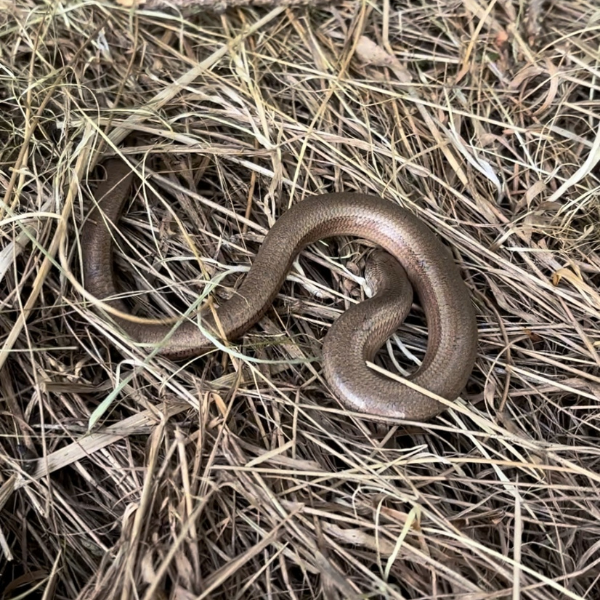
Our team conduct site surveys for the identification of both protected habitats and protected species across North Yorkshire. Protected species present across the UK include bats, badgers, barn owls, great-crested newts, otters and water voles.

MAB ecologists can survey your development site for these, consulting on avoidance and mitigation measures, bespoke to each individual project. Our goal is to ensure that native species continue to thrive alongside development projects.

Obtaining licences for developments impacting protected wildlife, such as European Protected Species Licences (EPSL) and Habitat Regulation Assessment (HRA) reports

When survey outcomes indicate that protected species or habitats are being impacted by the development, certain licences may be required to allow the development to progress without breaching legislation. With decades of experience in these procedures, MAB Ecology can secure European Protected Species licences in order to permit the disturbance of protected species for development to proceed.

With significant expertise in bat surveying and licensing, including being registered for the Bat Low Impact Class Licence and Earned Recognition, we can help developments avoid the costs and delays of full licences in the event that impacts can be shown to be low.

In addition to this, MAB Ecology are experienced in Habitat Regulation Assessments (HRA), which may be required when a development has impact upon a European Protected Site.